Have you noticed how AI is weaving itself into every corner of our lives? It’s like you can’t go a day without bumping into some device that’s a little smarter than you’d expect. But how does it all work?
At the core of this tech magic are neural networks, the brains behind your favorite AI gadgets.
I’ve spent years tracking AI and machine learning trends, watching how these neural networks grow more sophisticated. They’re big in AI tech, yet often misunderstood. So, let’s break it down.
Neural networks: think of them as digital brains learning from vast data oceans. They mimic human brains but with zero coffee breaks or mood swings. But what makes them tick?
And why should you care?
This article promises a deep dive into neural networks (no jargon, just straight talk). If you’ve ever wondered what powers your smart assistant or why your phone camera recognizes faces, you’re in the right place. This isn’t just another tech piece.
It’s your neural networks guide. We’re pulling back the curtain to demystify the tech that’s reshaping our world. Trust me, after reading this, you’ll see AI in a whole new light.
You’ll finally get why neural networks are the backbone of modern tech.
Neural Networks: Unraveling the Basics
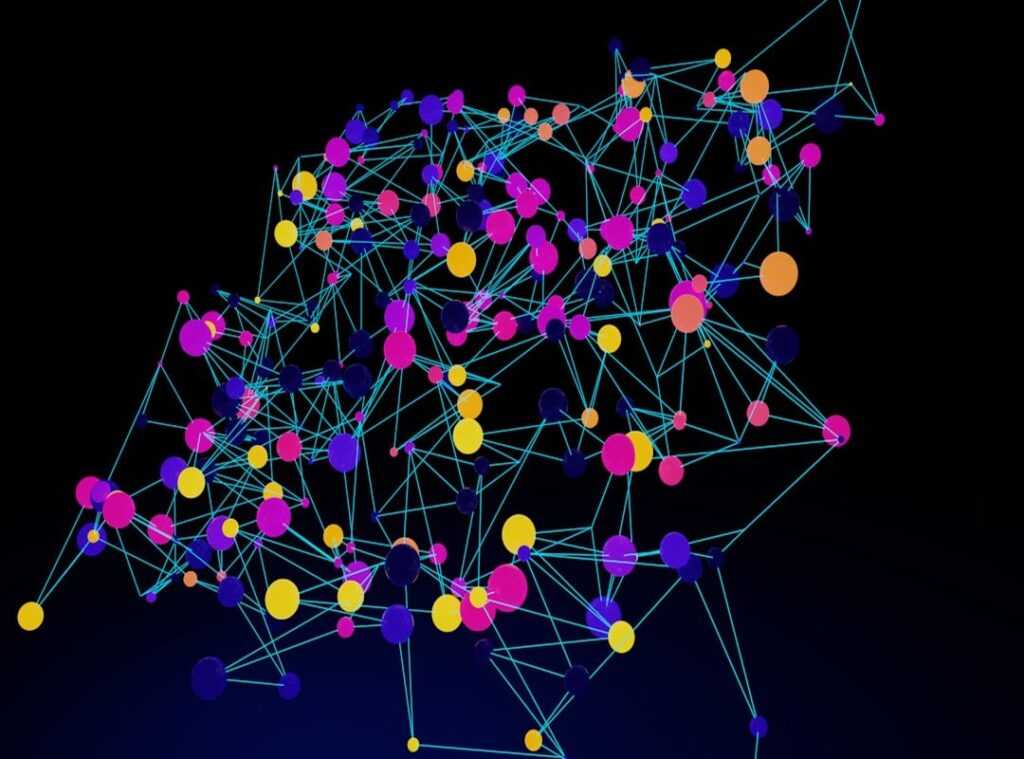
Neural networks sound complex, but they’re not. Think of them as a web of interconnected nodes, like the neurons in the human brain. These nodes are organized in layers, each processing information before passing it on.
Now, why do they matter? Simple. They help machines learn, recognize images, or even beat you at chess.
Many people think neural networks can do anything. Not true. They mimic the human brain but don’t match it.
Here’s some real talk: Neural networks require heaps of data and computing power. They’re not magic. You need structured input to get valuable output.
A neural network doesn’t invent like Einstein or create art like Picasso. It’s excellent for specific tasks, like identifying spam emails or recommending products on Amazon. But let’s not get carried away.
This is what makes them so effective for things like voice recognition.
For more about how these networks fit into the bigger machine learning picture, I’d suggest this guide. It dives deeper into the tech terrain.
So, before you crown neural networks as the future, remember they’re just a tool in the AI arsenal. Always evolving. Constantly surprising, yet rooted in the basics.
Neural Networks: The Backbone of AI
Ever wondered what makes AI tick? It’s neural networks. These networks form the backbone of AI technologies, powering everything from voice recognition to image processing.
I’ve seen firsthand how they transform raw data into takeaways.
Take voice assistants like Siri or Alexa. How do they understand your voice? Neural networks are the magic.
They analyze speech patterns, learn from them, and respond. It’s like having a personal assistant who just gets it.
And then there’s image processing. Imagine a machine that can decipher images as accurately as the human eye. Neural networks do just that, allowing computers to recognize objects, faces, and even emotions.
It’s like giving sight to the blind.
Now, think about how these networks advance machine learning. They allow algorithms to learn and improve by mimicking the human brain. This ability to adapt and evolve is key for developing smarter AI systems.
Every time I dig into a neural networks guide, I discover something new.
Speaking of breakthroughs, researchers are constantly pushing the boundaries. Innovations like deep learning architectures are reshaping everything. Neural networks are no longer just tools; they’re the driving force of AI evolution.
What’s next? Quantum computing. Imagine neural networks operating on a level that’s incomprehensible now.
The potential is staggering.
In short, neural networks are not just a piece of the puzzle. They are the puzzle. At least when it comes to AI and machine learning.
If you’re diving into AI, a solid understanding of neural networks is important. Trust me, it’s a game-changer.
Neural Networks: What They Do and Why They Matter
When you dive into the world of AI, it’s all about the neural networks. They’re the backbone of machine learning, and each type has its own flair. So let’s talk about Convolutional Neural Networks (CNNs) and Recurrent Neural Networks (RNNs).

Ever wondered why your phone can sort your photos or how Siri understands your voice? That’s CNNs in action. They’re the Picasso of image recognition, breaking down visuals into data bits for analysis.
RNNs, on the other hand, are the memory-keepers. They’re great with sequences (think speech and text). They remember context (key) for language tasks.
Imagine reading a book and remembering the plot. That’s what RNNs do, they keep track of sequences to make sense of data.
But does choosing the right network really matter? Oh yes. It’s like picking the right tool for the job.
You wouldn’t use a hammer to cut a steak, right? Similarly, each neural network is tailored for specific tasks. Picking the wrong one could derail your AI project.
It’s like using a fishnet to catch dust. Doesn’t work.
For example, in autonomous vehicles, understanding surroundings is key. CNNs help with that, giving machines visual prowess. Curious about the role AI autonomous vehicles?
Check that out for more on how neural networks drive innovation in self-driving tech.
Bottom line: this neural networks guide is key. Knowing which type to use can make or break your AI success. With these tools in your arsenal, the possibilities are endless.
Neural Networks Guide: Challenges and Trends
Let’s face it. Neural networks are hungry beasts. They devour data and suck up computational power like there’s no tomorrow.
You’d think with all this tech, we’d have it figured out. But no, we’re still wrestling with these issues. The sheer volume of data required is insane.
And don’t get me started on the energy consumption.
Now, you might wonder, are we just stuck here? No, thank goodness. We’re seeing a shift towards more fast models.
Quantum computing is on the horizon. Imagine running neural networks with minimal energy. Sounds like sci-fi, right?
But it’s becoming reality.
Here’s the thing: innovation isn’t just about shiny new toys. It’s about solving real problems. Take the push for more ethical AI.
Everyone’s talking about it (and rightly so). We need transparency in how these networks make decisions. research is heading.
Pro tip: Keep an eye on the integration of neural networks with IoT. It’s a game-changer. We’re talking about smarter homes, cities, and even healthcare systems.
The future’s looking exciting and slightly terrifying. But that’s tech for you. Always evolving, always challenging.
Neural networks aren’t just a tech trend. They’re reshaping our world.
Your Future With Neural Networks
So, you’ve absorbed the essentials of neural networks. You now grasp their basics, applications, and the broad types that pave the way for future trends. But here’s a question: are you ready to dive deeper?
This neural networks guide has equipped you with a solid foundation. Yet, there’s more to explore. Neural networks aren’t just a tech trend; they’re a revolution.
They can transform your projects and ventures if you let them.
Feeling overwhelmed by tech changes? That’s normal. But staying updated with AI and machine learning gives you a competitive edge. zillexit.net helps.
We deliver the latest tech pulse and takeaways so you’re never left behind.
Consider this your wake-up call. Ready to integrate neural networks into your technology pursuits? Start now.
Visit us to stay informed. Get the updates, takeaways, and strategies you need. Your journey with neural networks is just beginning.
 Ask Brenda Grahamandez how they got into ai and machine learning insights and you'll probably get a longer answer than you expected. The short version: Brenda started doing it, got genuinely hooked, and at some point realized they had accumulated enough hard-won knowledge that it would be a waste not to share it. So they started writing.
What makes Brenda worth reading is that they skips the obvious stuff. Nobody needs another surface-level take on AI and Machine Learning Insights, Zillexit Cybersecurity Frameworks, Gadget Optimization Hacks. What readers actually want is the nuance — the part that only becomes clear after you've made a few mistakes and figured out why. That's the territory Brenda operates in. The writing is direct, occasionally blunt, and always built around what's actually true rather than what sounds good in an article. They has little patience for filler, which means they's pieces tend to be denser with real information than the average post on the same subject.
Brenda doesn't write to impress anyone. They writes because they has things to say that they genuinely thinks people should hear. That motivation — basic as it sounds — produces something noticeably different from content written for clicks or word count. Readers pick up on it. The comments on Brenda's work tend to reflect that.
Ask Brenda Grahamandez how they got into ai and machine learning insights and you'll probably get a longer answer than you expected. The short version: Brenda started doing it, got genuinely hooked, and at some point realized they had accumulated enough hard-won knowledge that it would be a waste not to share it. So they started writing.
What makes Brenda worth reading is that they skips the obvious stuff. Nobody needs another surface-level take on AI and Machine Learning Insights, Zillexit Cybersecurity Frameworks, Gadget Optimization Hacks. What readers actually want is the nuance — the part that only becomes clear after you've made a few mistakes and figured out why. That's the territory Brenda operates in. The writing is direct, occasionally blunt, and always built around what's actually true rather than what sounds good in an article. They has little patience for filler, which means they's pieces tend to be denser with real information than the average post on the same subject.
Brenda doesn't write to impress anyone. They writes because they has things to say that they genuinely thinks people should hear. That motivation — basic as it sounds — produces something noticeably different from content written for clicks or word count. Readers pick up on it. The comments on Brenda's work tend to reflect that.