
Flossing with braces, bridges, or implants? Yeah, it’s a hassle. You want clean teeth, but the wires and brackets get in the way of basically everything.
That’s where Superfloss comes in. It’s designed for those hard-to-reach spots your regular floss can’t touch, and you’ll find it at most drugstores without any real hunting. The best part? It’s actually easier to use than you’d think.
Want to know what Superfloss actually is? Regular floss can’t reach certain spaces between teeth and under bridges, but Superfloss does—that’s the whole point. Here’s how to use it, who actually benefits, and why it matters. The result’s straightforward: you stop plaque before it hardens into something you can’t fix.
What is superfloss and how is it different?
Superfloss is a pre-cut strand of floss with three distinct sections, each designed for a specific purpose. It’s like a multi-tool for your teeth.
The first component is the stiffened, plastic-like end, basically a built-in threader. Guiding floss under wires and bridges becomes straightforward instead of fussy. You don’t need a separate threader anymore.
The soft, spongy section comes next, perfect for larger surface areas around appliances and wider gaps where regular floss just doesn’t work. It’s like a miniature sponge. Reaches spots other tools can’t touch. You get into those tricky areas that standard floss leaves behind, the ones that actually matter for keeping your appliances and gaps clean.
Finally, there’s standard unwaxed floss. It does the job, cleaning between your teeth and below the gumline the way traditional floss always has. Nothing fancy. Just the basics that actually work.
Superfloss etos works like three tools rolled into one, needle, sponge, polisher. It’s genuinely convenient, especially when you’re wearing braces or have other dental work. Regular floss? Floss threaders? They’re a pain. Superfloss gives you everything in a single, handy tool.
A step-by-step guide to using superfloss effectively
Step 1: Threading. Carefully insert the stiffened end under your brace wire, bridge, or around your implant.
Pull the floss through until the spongy, thicker section sits over the dental appliance or fills the wide gap. That’s it.
Step 3: Cleaning the Appliance. Grab your spongy floss. Work it back and forth across the surface, the same way you’d polish a shoe, and you’ll watch plaque and food particles lift right off. It’s that simple. The motion does the heavy lifting, debris comes loose when you’ve got the right angle and a little pressure behind it.
Step 4: Cleaning the Gumline. Continue pulling the floss through to the standard floss section.
Step 5: Standard Flossing. Curve the regular floss into a ‘C’ shape around the tooth and slide it gently under the gumline on both sides of the gap, just as you would with normal floss.
Pro tip: Don’t rush the process. Each section of the floss has a job, so take a moment to use each one correctly for a complete clean.
Using superfloss etos can make a big difference in maintaining your oral hygiene, especially if you have braces, bridges, or implants. It’s designed to get into those hard-to-reach areas, ensuring a thorough clean and reducing the risk of gum disease and cavities. superfloss etos
Who needs superfloss in their dental routine?
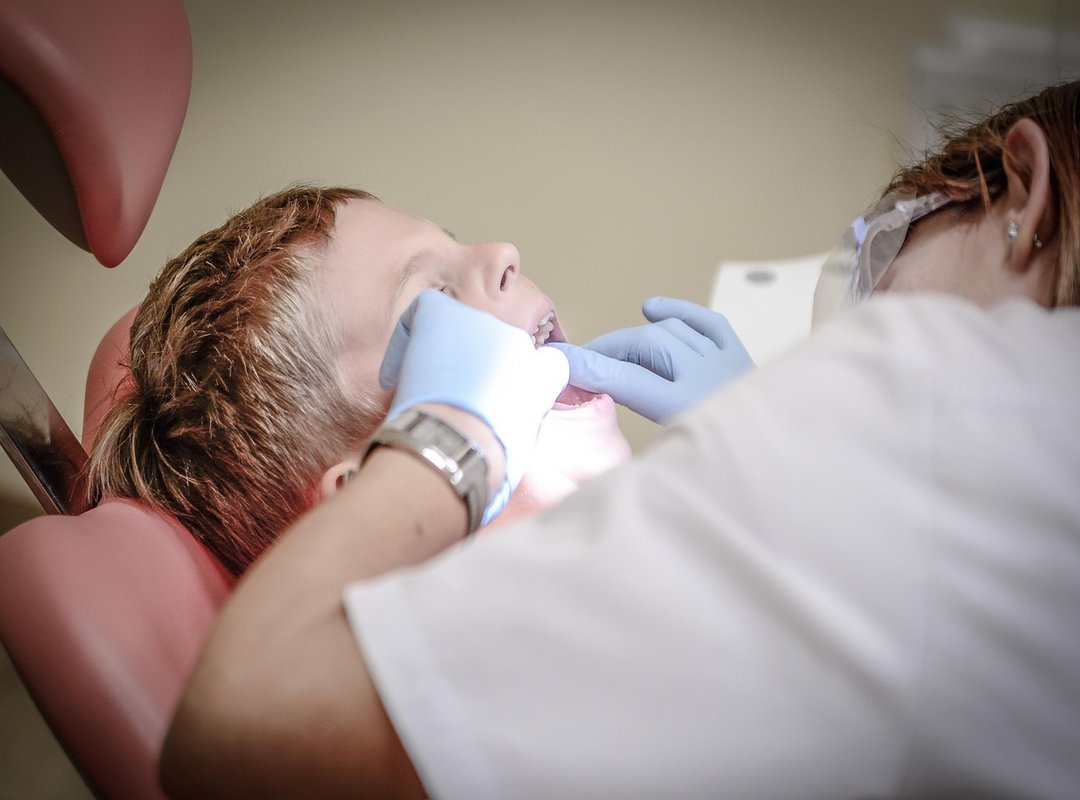
Superfloss actually works. That stiff end slides under the archwire without the frustration of regular floss, which honestly just shreds and tangles every time you try to thread it. You get around brackets faster, and it tackles plaque in those tight spots that regular floss can’t touch. No more wrestling with your wires.
If you’ve got a bridge, you know the nightmare of cleaning under that artificial tooth, the pontic. Superfloss is your answer because it actually slides into those impossible tight spots. It clears out bacteria. Stops inflammation before it takes hold. Your gums stay healthier, your breath fresher, and you don’t end up at the dentist with problems you could’ve prevented. That’s the whole point.
If you’ve got dental implants, try superfloss. The spongy section is gentle on sensitive gum tissue, but it actually works, it reaches that spot where your implant crown meets your gums, the one place that really counts for long-term implant health. Most people don’t realize how important that junction is. Keep it clean and you’ve solved half the problem.
For wide gaps or receding gums, regular floss just won’t cut it. Superfloss, that thicker, spongy stuff, actually works where standard floss fails. It fills and cleans those bigger spaces properly. You get real debris removal.
If you’ve got hardware in your mouth, braces, implants, bridges, whatever, superfloss isn’t some fancy upgrade. It’s essential. You either get your teeth actually clean, or you spend ten minutes frustrated while nothing actually changes. The difference is that stark. With regular floss, you’re just pushing plaque around between the brackets and under the wires. Superfloss actually reaches it.
Common mistakes to avoid for a better clean
Snapping the floss. That’s mistake one. Too many people jam floss under the gumline, it causes real damage. Go gentle instead. A controlled motion works better, and you’re not traumatizing tissue that’s already under stress. Your gums actually respond to restraint.
Mistake 2: Skipping the spongy section. A lot of people thread it and use the regular part, completely missing the whole point. The spongy section does the actual work, and skipping it means you’re only half-cleaning your appliance. Use it. You’ll get a thorough clean you simply can’t replicate with the rough side alone, and you’ll notice the difference immediately.
Mistake 3: Being too aggressive. The stiff end is for guiding, not poking. Being too rough can irritate sensitive gums.
Take it easy and be gentle.
Mistake 4: Reusing one strand for the whole mouth. You want a fresh piece for each quadrant or arch. That’s the right way to do it. Using the same strand from tooth to tooth just spreads bacteria around, and you’re basically undoing everything you’re trying to accomplish in the first place.
Using superfloss etos can help you avoid these mistakes and get a better, more effective clean.
Elevate your oral hygiene with the right tool
Flossing with dental work is tricky, and honestly, most people just skip it. Superfloss was built for this exact problem. Its three-part design tackles the appliance, the area around it, and your gumline without requiring you to juggle multiple tools or restart halfway through. No more shredding, no more getting stuck. Just a cleaner result.
Throw Superfloss into your daily routine. Your teeth will thank you. It protects your dental investment and keeps your mouth healthy, stops bigger problems before they start, which matters because the kind of dental work you’d need later costs way more than prevention.
 Claudia Flemingsteir writes the kind of ai and machine learning insights content that people actually send to each other. Not because it's flashy or controversial, but because it's the sort of thing where you read it and immediately think of three people who need to see it. Claudia has a talent for identifying the questions that a lot of people have but haven't quite figured out how to articulate yet — and then answering them properly.
They covers a lot of ground: AI and Machine Learning Insights, Tech Pulse Updates, Expert Breakdowns, and plenty of adjacent territory that doesn't always get treated with the same seriousness. The consistency across all of it is a certain kind of respect for the reader. Claudia doesn't assume people are stupid, and they doesn't assume they know everything either. They writes for someone who is genuinely trying to figure something out — because that's usually who's actually reading. That assumption shapes everything from how they structures an explanation to how much background they includes before getting to the point.
Beyond the practical stuff, there's something in Claudia's writing that reflects a real investment in the subject — not performed enthusiasm, but the kind of sustained interest that produces insight over time. They has been paying attention to ai and machine learning insights long enough that they notices things a more casual observer would miss. That depth shows up in the work in ways that are hard to fake.
Claudia Flemingsteir writes the kind of ai and machine learning insights content that people actually send to each other. Not because it's flashy or controversial, but because it's the sort of thing where you read it and immediately think of three people who need to see it. Claudia has a talent for identifying the questions that a lot of people have but haven't quite figured out how to articulate yet — and then answering them properly.
They covers a lot of ground: AI and Machine Learning Insights, Tech Pulse Updates, Expert Breakdowns, and plenty of adjacent territory that doesn't always get treated with the same seriousness. The consistency across all of it is a certain kind of respect for the reader. Claudia doesn't assume people are stupid, and they doesn't assume they know everything either. They writes for someone who is genuinely trying to figure something out — because that's usually who's actually reading. That assumption shapes everything from how they structures an explanation to how much background they includes before getting to the point.
Beyond the practical stuff, there's something in Claudia's writing that reflects a real investment in the subject — not performed enthusiasm, but the kind of sustained interest that produces insight over time. They has been paying attention to ai and machine learning insights long enough that they notices things a more casual observer would miss. That depth shows up in the work in ways that are hard to fake.