
Edge computing is rapidly transforming how data is processed, secured, and delivered—but most explanations barely scratch the surface. If you’re here, you likely want a clear, practical understanding of how it works, why it matters now, and what real-world advantages it offers businesses and everyday users.
This article breaks down the core edge computing benefits, from reduced latency and faster processing speeds to improved data security and lower bandwidth costs. We’ll also explore how industries like healthcare, manufacturing, and smart cities are already using edge infrastructure to gain a competitive advantage.
To ensure accuracy and relevance, this guide draws on insights from leading AI engineers, cybersecurity specialists, and enterprise IT frameworks, alongside recent case studies and performance benchmarks. By the end, you’ll understand not just what edge computing is—but how its benefits directly impact performance, scalability, and innovation in today’s connected world.
Why Your Data is Moving Closer to Home
Edge computing shifts data processing from distant cloud servers to local devices or nearby micro–data centers. In other words, instead of sending every sensor ping across the country, analysis happens on-site. As IoT networks expand and AI demands millisecond decisions, centralized systems strain under latency and bandwidth fees. By contrast, local processing trims response times to real time, cuts transit costs, and limits exposure during transmission. These edge computing benefits translate into faster automation, stronger security controls, and predictable operating expenses—critical for smart factories, autonomous vehicles, and even streaming platforms (buffering included).
Unlocking Real-Time Speed and Slashing Latency
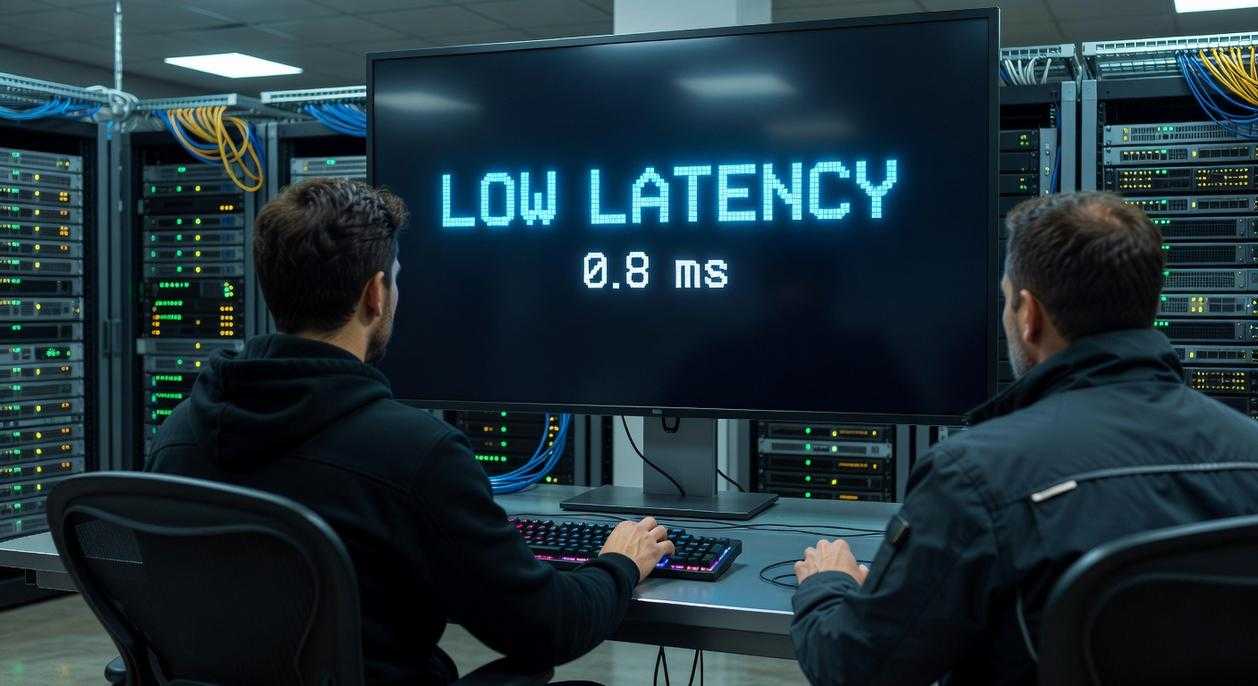
First things first, let’s define latency. Latency is the delay between when data is sent and when it’s received and acted upon. Think of it like shouting a question across a canyon and waiting for the echo. That pause? That’s latency—and for autonomous vehicles, AR/VR, and industrial robotics, even a tiny delay can be catastrophic (or at least very expensive).
Now, some argue that today’s cloud infrastructure is fast enough. After all, streaming movies works fine, right? Sure—but self-driving cars aren’t buffering like your favorite show. When milliseconds matter, “pretty fast” just doesn’t cut it.
Here’s where edge computing steps in. By processing data locally—on or near the device generating it—it eliminates the long round-trip to a distant cloud server. In other words, decisions happen on the spot.
Consider a factory floor sensor detecting a product defect. With edge processing, the machine shuts down in milliseconds. If that data had to travel to the cloud and back? Seconds could pass, producing piles of flawed goods. That’s not just slow—that’s wasteful.
The real edge computing benefits go beyond speed. They enable entirely new applications that simply can’t function with high latency. And honestly, when robots are involved, faster is always better.
Enhancing Data Security and Privacy by Design
Reducing the Attack Surface starts with a simple idea: keep sensitive data close to where it’s created. Edge computing—processing data on local devices instead of distant cloud servers—means less information traveling across networks. And as one cybersecurity analyst bluntly put it, “Data can’t be intercepted in transit if it never leaves the building.” By limiting exposure, organizations shrink their attack surface (the total number of possible entry points for hackers).
From a cybersecurity framework standpoint, this is foundational. Fewer transmissions reduce the risk of man-in-the-middle attacks, where bad actors secretly intercept communications (CISA, 2023). Less data in motion equals fewer vulnerabilities. Critics argue cloud providers offer stronger centralized defenses—and they often do. But distributing risk through localized processing adds another defensive layer (think of it as locking both your front door and your safe).
Compliance is another driver. Regulations like GDPR and HIPAA require strict control over personal data (European Commission, HHS.gov). Local processing supports data sovereignty—keeping information within legal borders.
Here’s a gadget hack: a smart security camera that processes motion detection locally is inherently more private than one constantly streaming footage. That’s one of the underrated edge computing benefits.
For more context on connectivity infrastructure, see 5g expansion what it means for businesses and consumers.
Boosting Reliability and Ensuring Operational Continuity
Let’s be honest—nothing is more frustrating than a system that grinds to a halt because the internet hiccups. We’ve all dealt with dropped connections, frozen dashboards, and delayed data syncing (usually at the worst possible moment). That’s exactly why decoupling from the cloud matters. With edge computing benefits, devices can continue operating, collecting data, and executing tasks even when connectivity is unstable—or completely gone.
Consider a remote oil rig or a smart power grid. These aren’t Netflix streams that can buffer. They’re critical infrastructure. A lost connection cannot mean a shutdown. Edge nodes provide autonomy by processing data locally, ensuring operations stay steady regardless of cloud access.
Then there’s the store-and-forward mechanism:
- Data is stored locally during outages
- Operations continue uninterrupted
- Information syncs automatically once connectivity returns
In other words, no panic, no data loss—just resilience when it matters most.
Driving Down Bandwidth Costs and Improving Scalability
First, consider the sheer weight of the data deluge. When thousands—or even millions—of IoT sensors stream raw data to the cloud 24/7, bandwidth costs skyrocket. Video feeds, temperature logs, vibration readings, GPS pings—it adds up fast. In fact, transmitting high-definition video alone can consume gigabytes per day per device (multiply that by a city’s worth of cameras and the bill becomes eye-watering). For organizations, that’s not just inefficient—it’s unsustainable.
This is where smart data filtering changes the equation. Instead of shipping every byte to a central server, edge devices process information locally. They analyze raw inputs and send only meaningful summaries, anomalies, or alerts upstream. Think of it as having a digital bouncer deciding what gets into the VIP section (and what gets ignored).
For example, a smart traffic camera doesn’t need to stream nonstop footage. It can process video on-site and transmit simple metadata like “car count: 15 per minute” or an accident alert—cutting bandwidth usage by over 95% (Gartner).
As a result, edge computing benefits extend beyond speed. You dramatically reduce costs, ease network strain, and make large-scale IoT deployments economically viable. In other words, scalability stops being a budget nightmare—and starts becoming a strategic advantage.
Computing Moves Closer to the Source
In cities like San Jose and Frankfurt, where milliseconds decide high-frequency trades and autonomous vehicle responses, relying solely on a distant data center is a liability. Edge computing shifts processing to local nodes—retail stores, factory floors, 5G towers—so decisions happen where data is created.
This is why edge computing benefits are transformative, not incremental. Latency (network delay) drops dramatically. Sensitive data stays on-site, aligning with GDPR and industry compliance mandates. Bandwidth costs shrink because only essential data travels to centralized clouds.
Some argue centralized hyperscale clouds are already efficient enough. After all, AWS and Azure regions span the globe. But when a robotic arm on a Detroit assembly line must react in under 10 milliseconds, “close enough” is not enough.
- Real-time inference at the device level
- Localized security controls
- Reduced backhaul traffic
Cloud trains models; edge executes in real time seamlessly.
The Future Runs Closer Than You Think
You came here to understand how emerging tech is reshaping performance, security, and real-time decision-making. Now you’ve seen how distributed systems, AI-driven processing, and smarter infrastructure are transforming the digital landscape.
The real challenge isn’t knowing that change is happening. It’s keeping up before your systems fall behind.
From faster data processing to reduced latency and stronger resilience, the edge computing benefits are no longer optional advantages — they’re becoming competitive necessities. Businesses that fail to adapt risk slower applications, higher costs, and growing security gaps.
So here’s your next move: start evaluating where edge solutions can optimize your current stack, audit your latency bottlenecks, and implement scalable frameworks designed for real-time performance.
Thousands of tech leaders rely on expert breakdowns and actionable insights to stay ahead of disruption. If you’re ready to future-proof your infrastructure and eliminate performance lag before it impacts your growth, dive deeper into the latest frameworks, tools, and deployment strategies today.