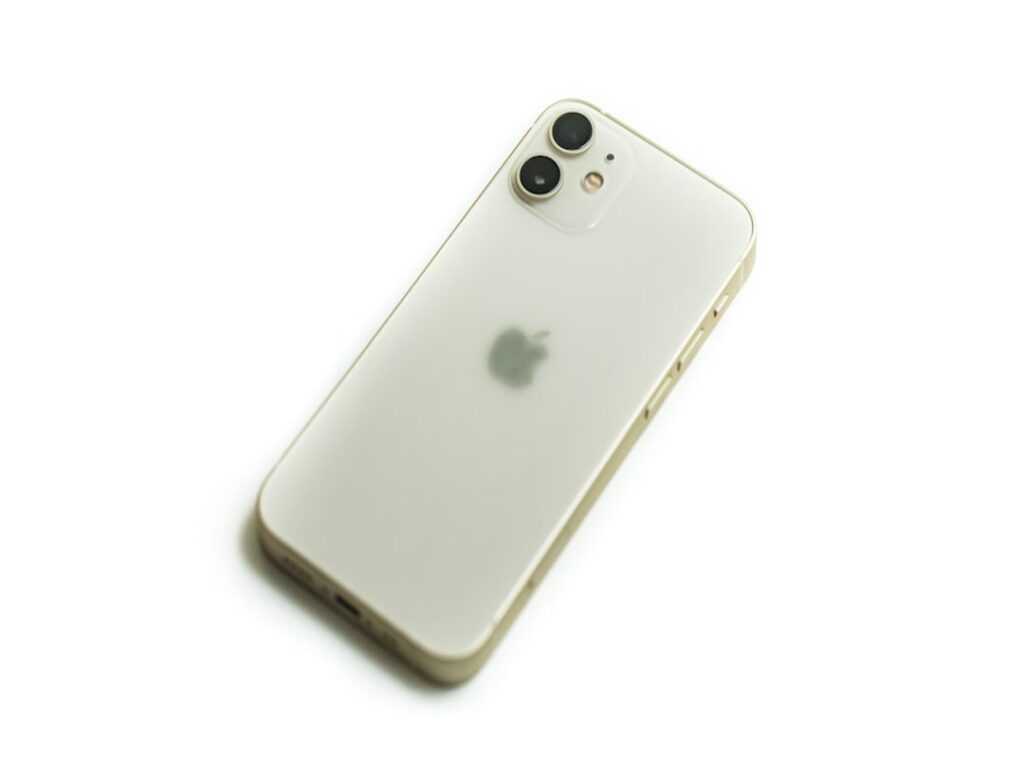
Smart devices keep getting more powerful every year. They’re just not getting cheaper. If you’re reading this, you probably want practical ways to extend your device’s life without watching performance tank. Smartphones, laptops, smart home hubs, wearables, they’re all vulnerable. One bad habit, one skipped cleaning routine, and you’re looking at a device that dies years earlier than it should. That early replacement? It’ll cost you.
Here’s what actually works to keep your devices running smoothly and protect them from failure. We dug into manufacturer guidelines, cybersecurity research, battery studies, and real performance data from the field. Not theory. Every tip here? You can do it today. They’re all backed by evidence, not marketing.
You’ll discover how software updates actually shape a device’s lifespan. What degrades lithium-ion batteries over time. Why overheating wrecks internal components, and which popular “hacks” backfire spectacularly. Maybe you’re just checking your phone once a day. Maybe you’re building custom rigs. Either way, this guide walks you through concrete, evidence-based strategies that actually work, so your gear doesn’t die on you before it has to.
The constant upgrade cycle crushes your wallet and the planet. Smartphones alone generated over 5.3 billion units of e-waste in 2022 (Global E-waste Monitor). Most devices don’t actually break down, though. They fail because we neglect them, overheating, battery strain, ignored updates pile up until the thing feels like a brick in your pocket. That’s the real story nobody wants to admit.
The practical blueprint
Start by managing battery health. Keep your charge between 20-80% and don’t let it overheat overnight, that’s where most degradation happens. Clean ports and vents monthly using compressed air, which works great for pushing out dust without damaging anything. Install updates the moment they’re available; they patch security gaps and fix performance bugs that’ll slow you down. And grab a protective case and surge protector. They’re cheap insurance against the accidents that actually happen.
Follow these routines consistently to extend smart device lifespan and cut replacement costs.
Mastering battery health: the heartbeat of your device
Your battery isn’t dramatic—but it does hold grudges.
The 20-80 rule (no, you’re not “overcharging”)
The 20-80 Rule is simple: keep your lithium-ion battery between 20% and 80% charge. Lithium-ion batteries, the rechargeable cells powering modern phones and laptops, wear down faster when you push them to extremes. Stay in that middle zone and they experience less chemical stress (Battery University). It’s like warming up before a workout instead of diving straight into the splits cold.
Some people say, “I paid for 100%, so why wouldn’t I use it?” That’s fair. Problem is, constantly charging to full capacity keeps the battery under stress, voltage stays elevated, which speeds up degradation. University of Michigan Battery Lab research backs this up. The real move? If you absolutely need that full charge for a road trip, charge away. Just don’t make it a habit.
Heat is the real villain
If batteries had a nemesis, it’d be heat. Toss your phone in a hot car or charge it under a pillow, seriously, why would you?, and you’ll permanently tank its capacity. High temperatures just speed up the chemical aging process. The U.S. Department of Energy backs that up.
Keep your smart devices cool while they’re charging. That’s the foundation. If you’ve got a bulky case trapping heat around the battery, take it off. And here’s the thing: don’t play graphically demanding games while the phone’s plugged in. Your phone isn’t a toaster.
Smart charging features
Optimized Battery Charging on iOS and Adaptive Charging on Android work the same way: they learn your sleep schedule, hold the charge at 80%, then finish up right before you wake. Your phone does all the heavy lifting, no input needed from you. The real appeal? It’s the kind of thing that just works, every single time.
The “memory effect” myth
Modern lithium-ion batteries don’t need full drains, that old advice applied to nickel-based batteries. A full 0-100% cycle can help recalibrate the battery meter occasionally. It won’t improve battery health, though. Think of it like fixing the scale, not losing weight.
Software and storage: the unseen performance killers

The crucial role of updates
First, let’s reframe software updates. They’re not shiny feature drops—they’re maintenance. Updates patch security vulnerabilities (weak spots hackers exploit), fix battery-draining bugs, and optimize performance for older hardware. In fact, security patches routinely address actively exploited flaws (CISA, 2023). So what’s in it for you? Fewer crashes, longer battery life, and a device that doesn’t feel obsolete overnight. Skipping updates might seem harmless—but it’s like ignoring an oil change because the car still runs (for now).
Taming digital clutter
Storage matters more than most people think. When your device dips below 10% free space, it can’t create the temporary files it needs to run smoothly, and that’s when things fall apart. Lag kicks in. Apps freeze. Sometimes they just crash for no reason at all. The good news? Clear out the junk and you’ll feel the speed come right back.
Quick checklist:
- Delete unused apps
- Clear app caches (especially social media)
- Move photos/videos to cloud storage
(Pro tip: Sort apps by size—you’ll usually find one surprise space hog.) Keeping breathing room in storage can extend smart device lifespan and reduce system instability.
Background app refresh
Meanwhile, Background App Refresh lets apps update content when you’re not even looking at them. Convenient? Sometimes. Necessary? Almost never. It quietly drains your battery and processing power.
Audit it: Settings → General → Background App Refresh → Disable for non-essential apps.
The benefit is simple: better battery life and fewer slowdowns.
Factory reset as a last resort
A factory reset isn’t admitting defeat. It’s basically a deep clean. Back up your data first, then wipe out all that accumulated software gunk. Your phone will speed up afterward, sometimes noticeably. It’s spring cleaning for your device, and people rarely regret it once they see the performance boost.
And once your device runs smoothly, don’t forget your network—check these wi fi optimization tips for faster internet at home to maximize overall speed.
Physical care: your first line of defense
Physical maintenance sounds basic, but it’s often the difference between a device that lasts two years and one that powers on for five.
Port and Speaker Deep Clean Dust is a silent killer. Yeah, really. Charging ports and speaker grilles trap lint that blocks connections and muffles sound, so clean them. A soft-bristled brush works great. A brand-new toothbrush does the trick. Short bursts of compressed air work too. Skip the metal objects (paperclips will scratch contacts or cause shorts). If your phone mysteriously stops charging? This is your first checkpoint.
Screen Protection Science Not all protectors are equal. TPU film (thermoplastic polyurethane) is flexible and scratches won’t ruin it. Tempered glass costs more, sits thicker on your phone, and actually absorbs impact, it disperses the shock when you drop it. Clumsy? Glass is your friend. Hate the bulk? TPU works fine.
Some bulky, non-breathable cases trap heat and speed up battery degradation. They stress lithium-ion cells, which don’t handle sustained heat well (Battery University). Ventilated designs help. But honestly, the simplest fix during gaming or GPS use? Just take the case off. Your phone will thank you.
Water Resistance vs. Waterproof
Water resistance is not waterproof. IP ratings degrade over time (IEC 60529). They’re for accidental splashes—not pool photos.
What’s next? Consider periodic battery health checks and safe storage habits to stay ahead of wear.
Smarter habits for a longer device lifespan
It’s tempting to grab the cheapest charging cable you can find online. If it fits, it works, right? Not quite. Uncertified cables and power bricks often deliver unstable voltage, which means inconsistent electrical output that slowly damages your battery and charging port over time. That “bargain” ends up costing you way more in repairs down the road. Certified accessories like MFi (Made for iPhone) or manufacturer-approved chargers go through safety testing and power regulation checks. Some third-party options are basically identical to the name brands. You might get lucky. But without certification, you’re rolling the dice with your device’s internals, and batteries don’t take kindly to mistakes.
Don’t underestimate a simple reboot. Restarting your device weekly clears out temporary files and fixes minor software hiccups that pile up over time. Your phone gets a chance to breathe. Yeah, sure, some folks argue that modern devices handle themselves just fine, and they’re not entirely wrong. But even the smartest systems need that fresh start, particularly after you’ve installed updates. You’ll notice faster load times. Better performance. It’s worth the thirty seconds.
Finally, placement matters, more than most people realize. Phones in back pockets bend. Devices near table edges fall. Humid or dusty environments clog ports and overheat components. Really, small adjustments in daily habits can extend smart device lifespan significantly. Keep devices elevated and ventilated to prevent heat buildup. That’s it. That’s the move.
By implementing strategies such as regular software updates and utilizing features like monitoring and diagnostics, you can significantly prolong the functionality of your smart home devices, much like how digital twins are revolutionizing efficiency in product development and operations – for more details, check out our Digital Twins: Transforming Product Development and Operations.
Keep your smart devices running smarter for longer
You came here looking for practical ways to protect your devices, boost performance, and avoid the frustration of constant upgrades. Turns out the answer isn’t complicated. Small, consistent actions, managing storage, updating firmware, tightening security settings, optimizing battery health, they add up. Do these things, and you’ll dramatically extend your smart device’s lifespan. You’ll save money. It works.
The real pain point isn’t just slow performance, it’s wasted time. Unexpected failures. The cost of replacing devices sooner than necessary. Ignore maintenance today and you’re almost guaranteed bigger problems tomorrow.
Start by auditing your most-used device. Update it. Remove unnecessary apps. Review security permissions. Apply the optimization tips you’ve learned. Want expert-backed tech insights, AI breakdowns, and cybersecurity frameworks trusted by thousands of readers? Explore our latest guides and stay ahead of device wear before it starts.
Your devices are only as smart as the way you maintain them. Make the smart move today.
 Zayric Veythorne has opinions about ai and machine learning insights. Informed ones, backed by real experience — but opinions nonetheless, and they doesn't try to disguise them as neutral observation. They thinks a lot of what gets written about AI and Machine Learning Insights, Gadget Optimization Hacks, Expert Breakdowns is either too cautious to be useful or too confident to be credible, and they's work tends to sit deliberately in the space between those two failure modes.
Reading Zayric's pieces, you get the sense of someone who has thought about this stuff seriously and arrived at actual conclusions — not just collected a range of perspectives and declined to pick one. That can be uncomfortable when they lands on something you disagree with. It's also why the writing is worth engaging with. Zayric isn't interested in telling people what they want to hear. They is interested in telling them what they actually thinks, with enough reasoning behind it that you can push back if you want to. That kind of intellectual honesty is rarer than it should be.
What Zayric is best at is the moment when a familiar topic reveals something unexpected — when the conventional wisdom turns out to be slightly off, or when a small shift in framing changes everything. They finds those moments consistently, which is why they's work tends to generate real discussion rather than just passive agreement.
Zayric Veythorne has opinions about ai and machine learning insights. Informed ones, backed by real experience — but opinions nonetheless, and they doesn't try to disguise them as neutral observation. They thinks a lot of what gets written about AI and Machine Learning Insights, Gadget Optimization Hacks, Expert Breakdowns is either too cautious to be useful or too confident to be credible, and they's work tends to sit deliberately in the space between those two failure modes.
Reading Zayric's pieces, you get the sense of someone who has thought about this stuff seriously and arrived at actual conclusions — not just collected a range of perspectives and declined to pick one. That can be uncomfortable when they lands on something you disagree with. It's also why the writing is worth engaging with. Zayric isn't interested in telling people what they want to hear. They is interested in telling them what they actually thinks, with enough reasoning behind it that you can push back if you want to. That kind of intellectual honesty is rarer than it should be.
What Zayric is best at is the moment when a familiar topic reveals something unexpected — when the conventional wisdom turns out to be slightly off, or when a small shift in framing changes everything. They finds those moments consistently, which is why they's work tends to generate real discussion rather than just passive agreement.