Imagine this: you wake up, check your phone, and bam (there’s) a notification about a security breach. Your heart skips a beat. Sound familiar?
In today’s world, we’re all swimming (or maybe drowning) in a sea of digital threats. But here’s the kicker: most of us don’t have a solid plan to protect ourselves. It’s crazy, right?
I’ve seen it time and again. People think they’re safe until they’re not. We’re living in an age where even our smart fridge could betray us.
Yet, the term personal cybersecurity plan still seems like something only tech geeks talk about. Why is that?
I get it. Cybersecurity sounds like a job for the pros. But let me stop you right there.
You don’t have to be a tech wizard to get this. What you need is a structured approach and some insider info. Lucky for you, that’s exactly what we’re diving into here.
This isn’t just theory. It’s backed by real trends and the latest innovations. Why should you trust it?
Well, because I’ve consulted folks who know their stuff inside out. By the end of this article, you’ll have the tools to craft a blueprint that suits your needs. Ready to step up your game?
Let’s get started.
Cyber Threats: The Hidden Dangers Lurking Online
Ever had your email hacked? It’s a nightmare. Digital threats like data breaches and identity theft are everywhere, lurking just a click away.
And if you think it won’t happen to you, think again. Neglecting personal cybersecurity isn’t just risky; it’s reckless.
Why? Because if you ignore it, you might wake up one day to find your bank account drained or your identity stolen. Scary, right?
These aren’t just hypothetical scenarios. They’re real and happening every day. A tailored cybersecurity plan isn’t just a good idea.
It’s important.
Now, here’s the thing: a one-size-fits-all approach won’t cut it. You need a plan that’s as unique as you are. A personal cybersecurity plan considers your online habits and tailors defenses accordingly. (Think of it as a bespoke suit for your data.) This way, you’re not just protecting your emails; you’re securing your entire digital life.
And don’t overlook how key it is to understand Protecting Data Encryption Methods to guard your personal info. Pro tip: Stay informed and update your strategies regularly. The digital world moves fast, but with the right plan, you can stay ahead of the threats.
Your Cybersecurity Checklist: Nailing It Down
Ever wonder if you’re doing enough to protect your digital life? I mean, seriously, when was the last time you took a hard look at your online habits? It’s easy to ignore the signs until something goes wrong.
Let’s confront this head-on. You need a personal cybersecurity plan. But where do you start?
Look at your digital footprint. How many accounts do you have? More importantly, how many passwords do you actually remember?
We all get lazy with passwords (guilty as charged). But this is a major gap in your defenses. Create strong, unique passwords or use a password manager.
That’s step one.
Think about your data flow. Do you know where your information goes after you hit send? It’s not just about social media; think about emails, online shopping, even that cute weather app.
They all track you. Are you okay with that? Maybe it’s time to review app permissions.
And don’t forget your devices. Keep software updated. Use antivirus software.
Sometimes, I swear it feels like this stuff is more hassle than it’s worth. But trust me, it’s worth it.
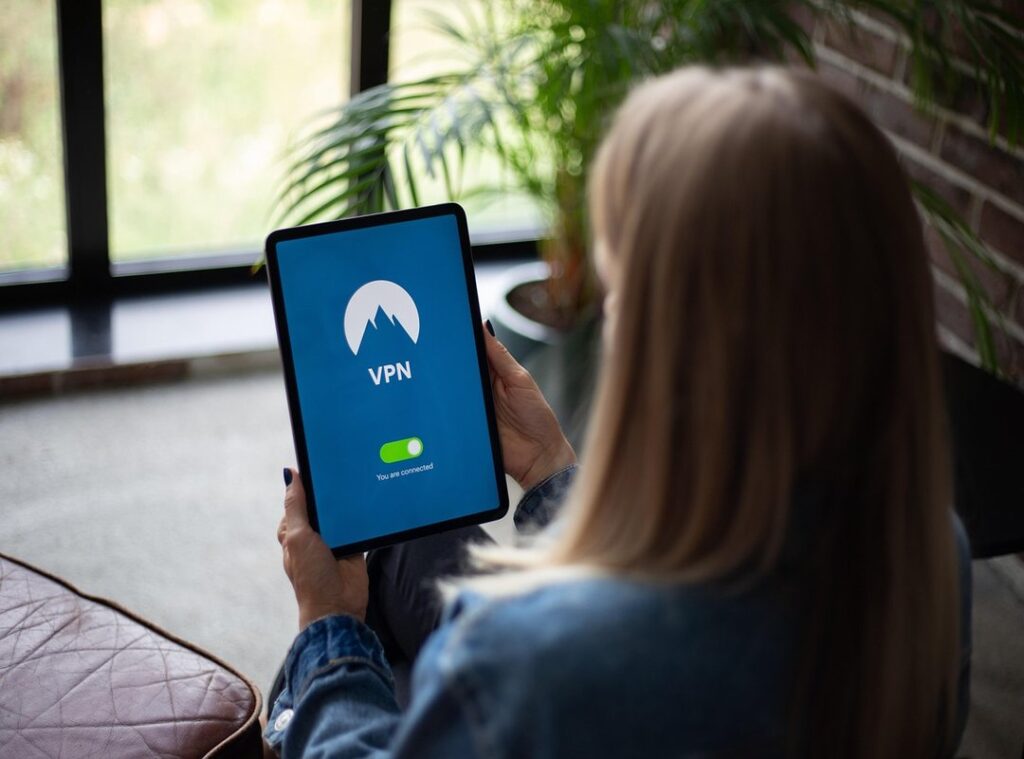
Evaluate your setup regularly. Tools like VPNs or two-factor authentication can boost your security. Don’t just check a box and call it a day.
This is about staying ahead of threats. Ready to take action?
Crafting Your Cybersecurity Shield: Essentials and Tips
Let’s cut to the chase. If you’re not thinking about a personal cybersecurity plan, you’re already behind. I’m not just talking about password managers.
It’s about protection, detection, and response. Your defense starts with securing your devices and networks. How?
Keep your Wi-Fi locked and your firewalls up.
Now, ask yourself: are you updating software regularly? Skipping updates is like leaving your front door open. Hackers love an old system.
Regular updates and patches close the gaps that cyber threats exploit. It’s annoying, sure, but worth it.
Let’s talk practical steps. Use a strong, unique password for each account (I know, you’ve heard it a million times, but it’s still true). Don’t forget two-factor authentication.
It’s your secret weapon. And when was the last time you backed up your data? Twice a year isn’t enough.
Make it monthly.
Now, detection. You need to know when something’s off. Use antivirus software and network monitoring tools.
They’re your eyes and ears. If you don’t know how to assess your risks, consider learning how to perform cybersecurity risk assessment. It’s important for spotting vulnerabilities.
Finally, response. Have a plan in case of a breach. Know who to call and what steps to take.
Panic isn’t part of the plan. A cool head prevails.
Pro tip: Stay informed. Cyber threats evolve faster than pop culture trends. Keep learning, stay updated, and protect yourself.
It’s your data, after all. Why leave it exposed?
Cybersecurity: Your Personal Fortress
Let’s talk about passwords. They’re your first line of defense, and frankly, most of us get it wrong. You need strong, unique passwords for each account.
But who on Earth can remember all that? a password manager swoops in to save the day. They store and encrypt your login details, so you only need to remember one master password. Trust me, it’s a game changer.
Next, multi-factor authentication is a must. It adds an extra layer of security by requiring something you know (password) and something you have (like a phone). It might feel like a hassle, but it’s a small price to pay for peace of mind.
Now, phishing attacks. They’re sneaky and increasingly common. If an email looks suspicious, it probably is.
Check the sender’s email address, look for grammar mistakes, and never click on sketchy links. Your personal cybersecurity plan should include educating yourself to recognize these traps.
In short, build your digital defenses like you would a fortress. It’s not paranoia; it’s practicality. Stay informed, stay alert, and always question what you see online.
In this digital age, ignorance isn’t bliss (it’s) risky.
Stay Sharp: Adapt or Get Left Behind
Staying informed about cybersecurity threats is more than smart. It’s necessary. You can’t just set a “personal cybersecurity plan” and forget it.
Threats evolve faster than a Netflix series release. So what do we do? Well, I dive into reputable sources. experts like the folks at TechCrunch and Wired come in.
They keep me ahead of the curve.
Ever heard of Krebs on Security? His takeaways are gold. Trust me, you don’t want to miss those updates.
Adapting strategies is key when new threats emerge. It’s like upgrading your gear in a video game (because who wants to fight the final boss with level-one equipment?).
Pro tip: Set up Google Alerts for terms like “cybersecurity threats” or “data breaches.” It’ll keep you in the loop without lifting a finger. Prioritize education to get through this minefield effectively. Are you updating your defenses?
You should be.
Lock In Your Cybersecurity
I’m sure you get it by now. Our digital lives need a solid shield. A personal cybersecurity plan is not just an option.
It’s a necessity. Why wait for a breach to hit you before taking action? You wouldn’t leave your front door open, so why leave your data exposed?
Building a proactive cybersecurity plan isn’t rocket science, but it does demand some effort. You start by assessing your digital footprint. Where are your vulnerabilities?
Next, you set up basic protections like strong passwords and two-factor authentication. Regular updates? Absolutely.
They’re your digital armor.
Staying vigilant is key. Technology evolves, and so do threats. Your cybersecurity measures should be as changing as the threats themselves.
Schedule regular reviews of your security posture. Have you checked your settings lately? Trust me, it’s worth the time.
Share what you know. Your takeaways can help others fortify their defenses. It’s not just about protecting yourself.
It’s about creating a secure digital community. The more informed we are, the stronger we become.
Now, here’s the real kicker: doing nothing guarantees risk. Action, on the other hand, offers control. Want peace of mind?
Start today. Set up your personal cybersecurity plan with the right tools and strategies. Zillexit.net is a great resource for keeping up with the latest tech trends and cybersecurity frameworks.
They know their stuff and can guide you through the maze.
Your digital future is yours to secure. Ready to take that first step? Go on, dive into the resources, and fortify your digital world.
Your data will thank you.
 Ask Brenda Grahamandez how they got into ai and machine learning insights and you'll probably get a longer answer than you expected. The short version: Brenda started doing it, got genuinely hooked, and at some point realized they had accumulated enough hard-won knowledge that it would be a waste not to share it. So they started writing.
What makes Brenda worth reading is that they skips the obvious stuff. Nobody needs another surface-level take on AI and Machine Learning Insights, Zillexit Cybersecurity Frameworks, Gadget Optimization Hacks. What readers actually want is the nuance — the part that only becomes clear after you've made a few mistakes and figured out why. That's the territory Brenda operates in. The writing is direct, occasionally blunt, and always built around what's actually true rather than what sounds good in an article. They has little patience for filler, which means they's pieces tend to be denser with real information than the average post on the same subject.
Brenda doesn't write to impress anyone. They writes because they has things to say that they genuinely thinks people should hear. That motivation — basic as it sounds — produces something noticeably different from content written for clicks or word count. Readers pick up on it. The comments on Brenda's work tend to reflect that.
Ask Brenda Grahamandez how they got into ai and machine learning insights and you'll probably get a longer answer than you expected. The short version: Brenda started doing it, got genuinely hooked, and at some point realized they had accumulated enough hard-won knowledge that it would be a waste not to share it. So they started writing.
What makes Brenda worth reading is that they skips the obvious stuff. Nobody needs another surface-level take on AI and Machine Learning Insights, Zillexit Cybersecurity Frameworks, Gadget Optimization Hacks. What readers actually want is the nuance — the part that only becomes clear after you've made a few mistakes and figured out why. That's the territory Brenda operates in. The writing is direct, occasionally blunt, and always built around what's actually true rather than what sounds good in an article. They has little patience for filler, which means they's pieces tend to be denser with real information than the average post on the same subject.
Brenda doesn't write to impress anyone. They writes because they has things to say that they genuinely thinks people should hear. That motivation — basic as it sounds — produces something noticeably different from content written for clicks or word count. Readers pick up on it. The comments on Brenda's work tend to reflect that.