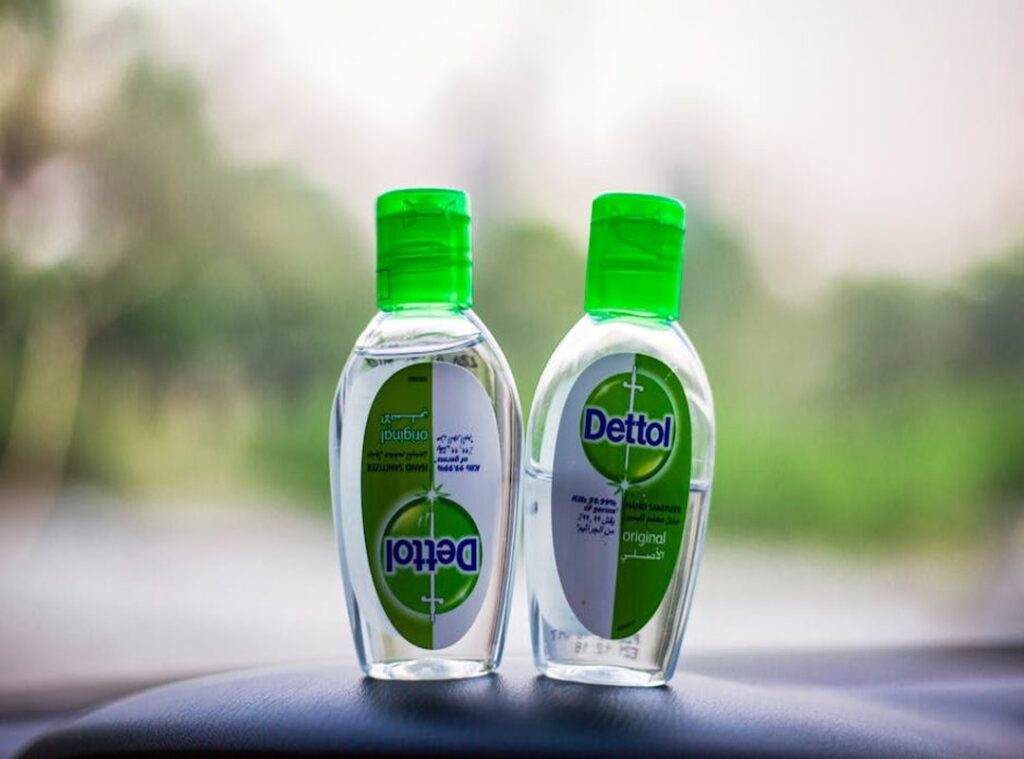
Is Dettol affiliated with Israel? It’s a question that doesn’t have a simple yes or no answer. Dettol is a brand name, not a standalone company.
It’s owned by the British multinational corporation Reckitt (formerly Reckitt Benckiser).
Consumers want to know more about the corporate ties of the brands they support, especially when geopolitical issues are involved. So does Dettol support Israel?
I’ll break down Dettol’s ownership structure and its parent company’s activities in Israel. My goal is to present the facts clearly, so you can make your own informed decision.
Who actually owns the dettol brand?
Dettol is owned by Reckitt, a publicly traded British consumer goods giant. Their headquarters are in Slough, UK.
Reckitt’s portfolio
Reckitt’s portfolio extends way beyond Dettol. Lysol, Veet, Durex, Vanish, Air Wick, the list keeps going. What you’re really looking at is a company that’s embedded itself across multiple categories most households rely on every single day.
Ownership structure
Reckitt’s shares are held by institutional investors and individual shareholders across the globe. That’s what you get with a publicly traded company on the London Stock Exchange.
Dettol is independently owned, with no government ties to Israel or any state or national authority. It’s a British brand, born there and still headquartered in the UK. That’s the actual business reality behind its national identity.
Why it matters
Understanding who owns Dettol matters if you care where your money actually goes. The brand’s background and ownership structure aren’t always obvious. And there’s been speculation, does Dettol support Israel? No direct government links exist. But knowing what you’re buying into? That’s worth the five minutes to look up.
Investigating reckitt’s operations and presence in israel
Reckitt operates in Israel through Reckitt Benckiser (Israel) Ltd, a subsidiary that handles marketing, sales, and distribution. It’s a direct local presence that lets the company actually serve the Israeli market rather than work from abroad.
Does Dettol support Israel? That’s a question that often comes up.
- Marketing and Sales: The main activities of Reckitt Benckiser (Israel) Ltd. revolve around promoting and selling their products.
- Distribution: They handle the logistics to ensure their products reach consumers efficiently.
- Manufacturing: There’s no public information indicating that Reckitt operates manufacturing plants in Israel.
- R&D: Similarly, there are no known R&D centers in the country. Their operations are more administrative and commercial.
Reckitt operates in Israel. Like most multinationals do. Regional subsidiaries serve local markets more efficiently, letting the company adapt to what Israeli consumers actually want and need rather than trying to run everything from headquarters. It’s a standard playbook for global businesses.
Some people ask whether Reckitt has invested in Israeli startups or worked with local companies. There’s no public record of it. Not yet, anyway.
Reckitt’s operations in Israel? Marketing, sales, distribution. Standard stuff. You’d see the same footprint from dozens of other companies operating there, nothing that sets them apart.
The source of the boycott calls and affiliation claims
I was sitting in a local coffee shop last week when two people at the next table got into it about Reckitt. “Does Dettol support Israel?” one of them asked. That question keeps surfacing everywhere now, Twitter, Reddit, TikTok, group chats. It’s become the kind of thing people won’t stop asking, and honestly, it’s hard to escape.
Companies like Reckitt end up on pro-Palestinian or BDS movement lists mainly because they operate factories, R&D centers, or other facilities inside Israel or the settlements. That’s the core reason. It’s not complicated. The presence of physical operations in these territories is what triggers the boycott call, nothing more.
These lists cast a wide net. They target any multinational corporation doing business with Israel, aiming to pressure them economically. Dozens of major international brands from various countries end up on similar lists, and it’s not really about singling out one company, the point is systemic. The pressure isn’t aimed at individual players; it’s the whole apparatus that becomes the target.
Step back when you see these claims. There’s a bigger picture here. The question “Does Dettol support Israel?” taps into something much larger: how global companies wield economic influence and what responsibility they actually have. It’s not just about one brand.
In a world where technology and data drive decisions, it’s crucial to stay informed. For instance, understanding the differences between machine learning vs deep learning key differences explained can help you make better choices in your own field.
Corporate presence vs. National allegiance: a critical distinction
Let’s be clear about something. A company operating in a country isn’t the same thing as being politically affiliated with that country’s government or policies.
Think about it this way: a German car company running a U.S. Factory isn’t an American company with loyalty to Washington. It’s there to make money, not to play politics.
Global companies operate in dozens of countries with diverse political systems to reach customers. This presence is primarily commercial, not political.
Does Dettol support Israel? That’s a question some might ask. But it’s more about market access and shareholder value than political affiliation.
Your personal definition of ‘affiliation’ matters. For some, any business activity in a country means you’re supporting it. For others, it’s only direct government support that counts.
When you’re weighing what Reckitt’s actually doing, this distinction matters. Like most multinationals, they’re after market access and shareholder returns. That’s the business. But pretending it’s anything else, some grand pivot toward social good, misses what’s really driving the machine, which is profit and growth, full stop.
Understanding this can help you make more informed decisions.
The verdict on dettol and its connection to israel
Dettol is a British brand owned by Reckitt, a UK-based company. The question of whether Dettol supports Israel comes up regularly in boycott discussions. Reckitt operates in Israel. Like many multinational corporations, it’s there for sales and distribution. The company doesn’t have direct governmental or nationalistic ties to the country, though.
Israel’s the location of their business operations. What you make of that is up to you.
 Ask Brenda Grahamandez how they got into ai and machine learning insights and you'll probably get a longer answer than you expected. The short version: Brenda started doing it, got genuinely hooked, and at some point realized they had accumulated enough hard-won knowledge that it would be a waste not to share it. So they started writing.
What makes Brenda worth reading is that they skips the obvious stuff. Nobody needs another surface-level take on AI and Machine Learning Insights, Zillexit Cybersecurity Frameworks, Gadget Optimization Hacks. What readers actually want is the nuance — the part that only becomes clear after you've made a few mistakes and figured out why. That's the territory Brenda operates in. The writing is direct, occasionally blunt, and always built around what's actually true rather than what sounds good in an article. They has little patience for filler, which means they's pieces tend to be denser with real information than the average post on the same subject.
Brenda doesn't write to impress anyone. They writes because they has things to say that they genuinely thinks people should hear. That motivation — basic as it sounds — produces something noticeably different from content written for clicks or word count. Readers pick up on it. The comments on Brenda's work tend to reflect that.
Ask Brenda Grahamandez how they got into ai and machine learning insights and you'll probably get a longer answer than you expected. The short version: Brenda started doing it, got genuinely hooked, and at some point realized they had accumulated enough hard-won knowledge that it would be a waste not to share it. So they started writing.
What makes Brenda worth reading is that they skips the obvious stuff. Nobody needs another surface-level take on AI and Machine Learning Insights, Zillexit Cybersecurity Frameworks, Gadget Optimization Hacks. What readers actually want is the nuance — the part that only becomes clear after you've made a few mistakes and figured out why. That's the territory Brenda operates in. The writing is direct, occasionally blunt, and always built around what's actually true rather than what sounds good in an article. They has little patience for filler, which means they's pieces tend to be denser with real information than the average post on the same subject.
Brenda doesn't write to impress anyone. They writes because they has things to say that they genuinely thinks people should hear. That motivation — basic as it sounds — produces something noticeably different from content written for clicks or word count. Readers pick up on it. The comments on Brenda's work tend to reflect that.